
Barron Lake Survey Niles, Michigan 05/22/26
Weather: Windy conditions overall, and very cloudy water temperature of 59.2 degrees Fahrenheit.
Aquatic Vegetation Species Found During the Survey:
Eurasian Water Milfoil, Curly-Leaf Pondweed, Yellow Waterlily, Illinois Pondweed, Thin-Flat Stemmed Pondweed, Cattails, and Phragmites.
Invasive Species Abbreviations:
CLPW (curly leaf pondweed) EWM (Eurasian Water Milfoil) PH (phragmites)
Overall Density of Weeds: (A-D) D being most dense.
Points/Description:
282-285 CLPW/ EWM C 286 CLPW C 287 PH B
Thoughts/Notes:
Barron Lake, upon entering the boat launch, had the highest water levels seen in decades. This is great as it decreases the likelihood for invasive aquatic weeds to grow. Deeper waters also allow for more habitat use overall for native aquatic vegetation and recreational use. Barron Lake had a great population of native Flat-stemmed pondweed and Illinois Pondweed throughout the deep basins and shoreline.
A major portion of Barron Lake included sand bars and sandy sediments where not very many aquatic plants prefer to grow. However, the north-eastern end of the lake had a nutrient-rich muck sediment that allowed for both a collection of aquatic vegetation native species and invasive species. In particular, dense patches of curly-leaf pondweed and eurasian water milfoil. Treatment of this north-eastern end of the lake should be conducted before the Eurasian water milfoil and curly-leaf pondweed top out of the water column.
Phragmites were also noticed in a section of Barron Lake shown in photos below. However, treatment would be difficult as it is very close to the shoreline so manual harvest is recommended pulling out the root or by piercing the plants cuticle to suffocate the plant making manual harvest easier.
Photos of Lake Survey:
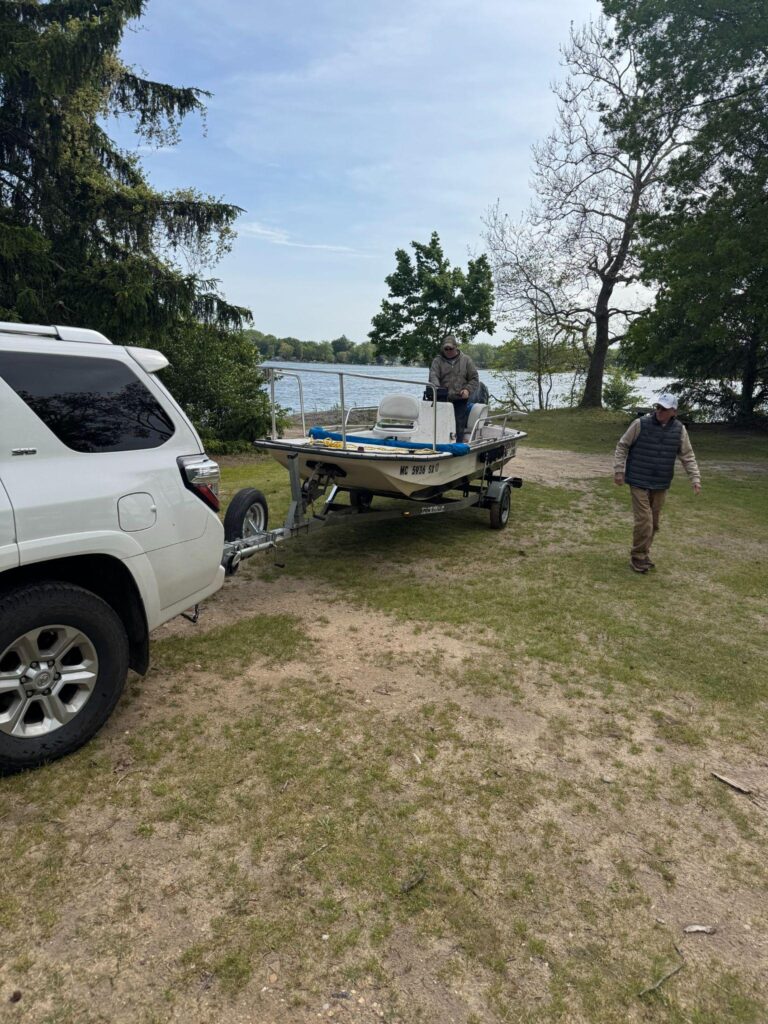
Figure 1: Boat Landing of Barron Lake
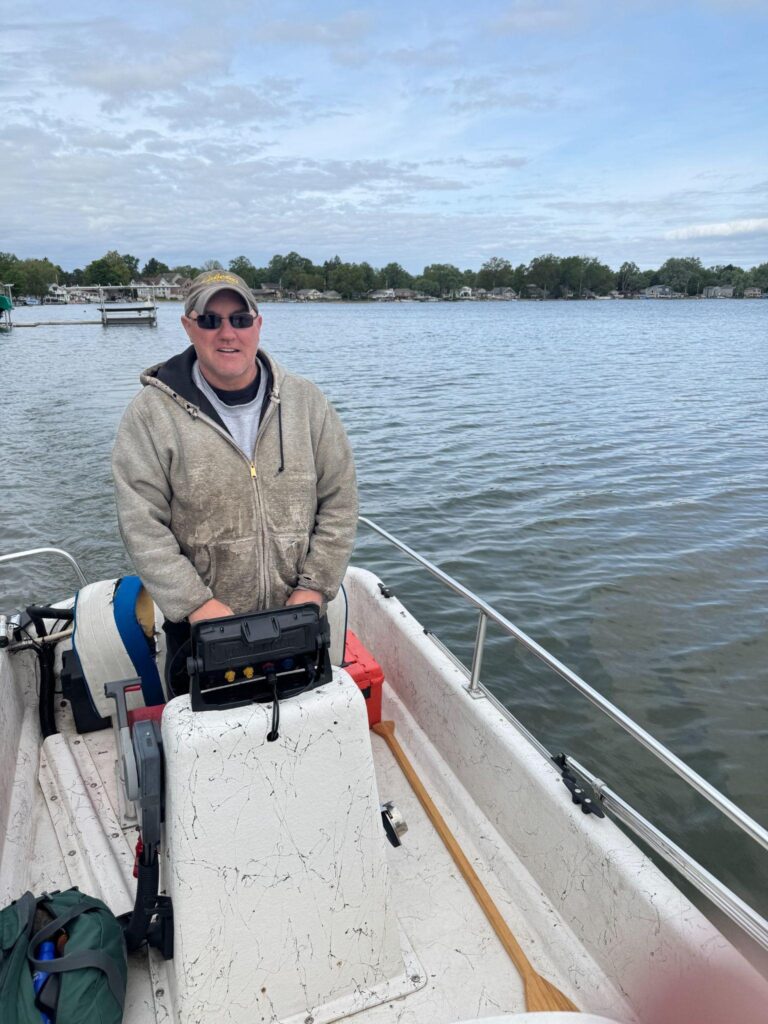
Figure 2: Crew Member Operating the Boat on Barron Lake
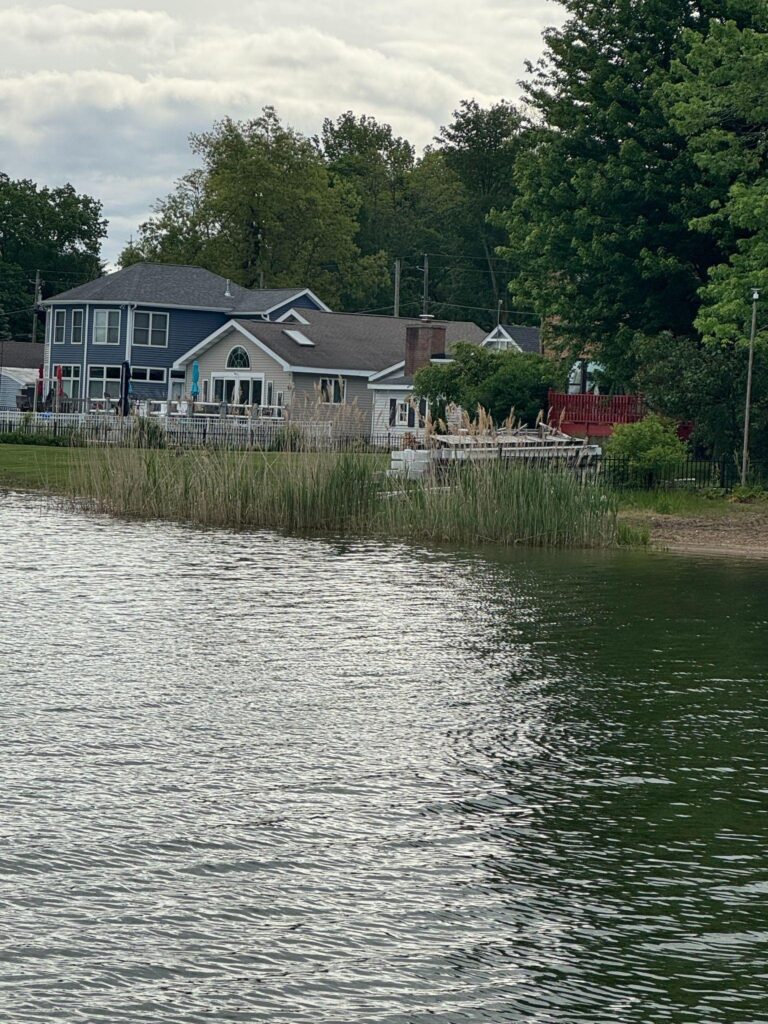
Figure 3: Phragmite Population Barron Lake
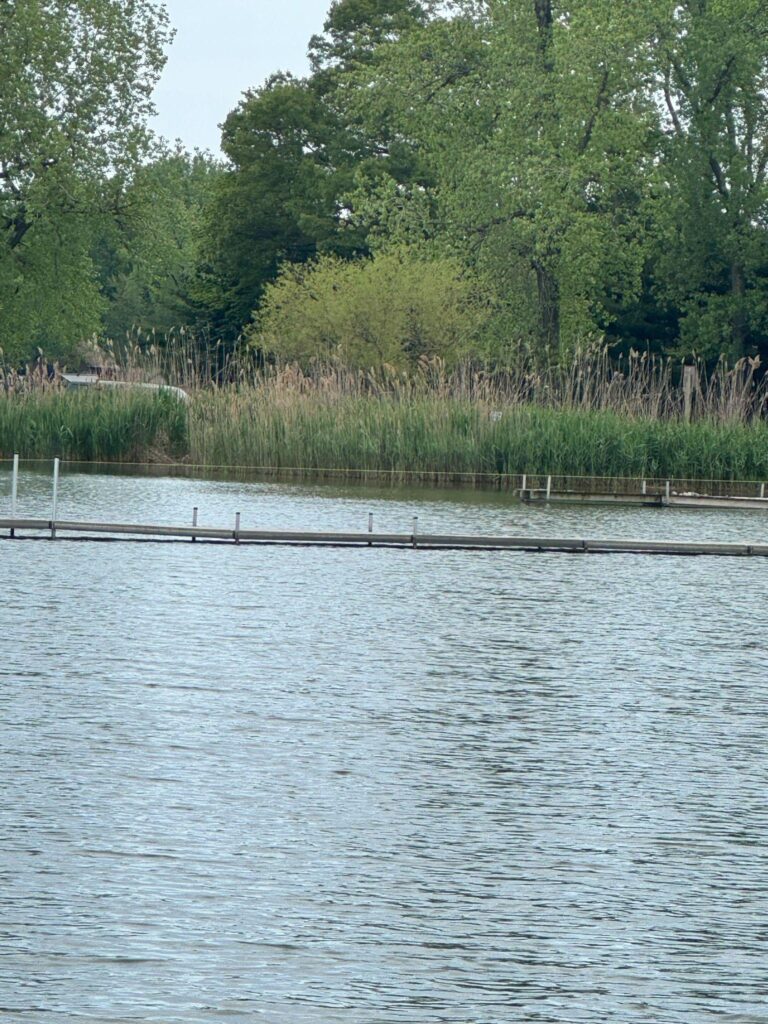
Figure 4: More Phragmite Populations Barron Lake.